
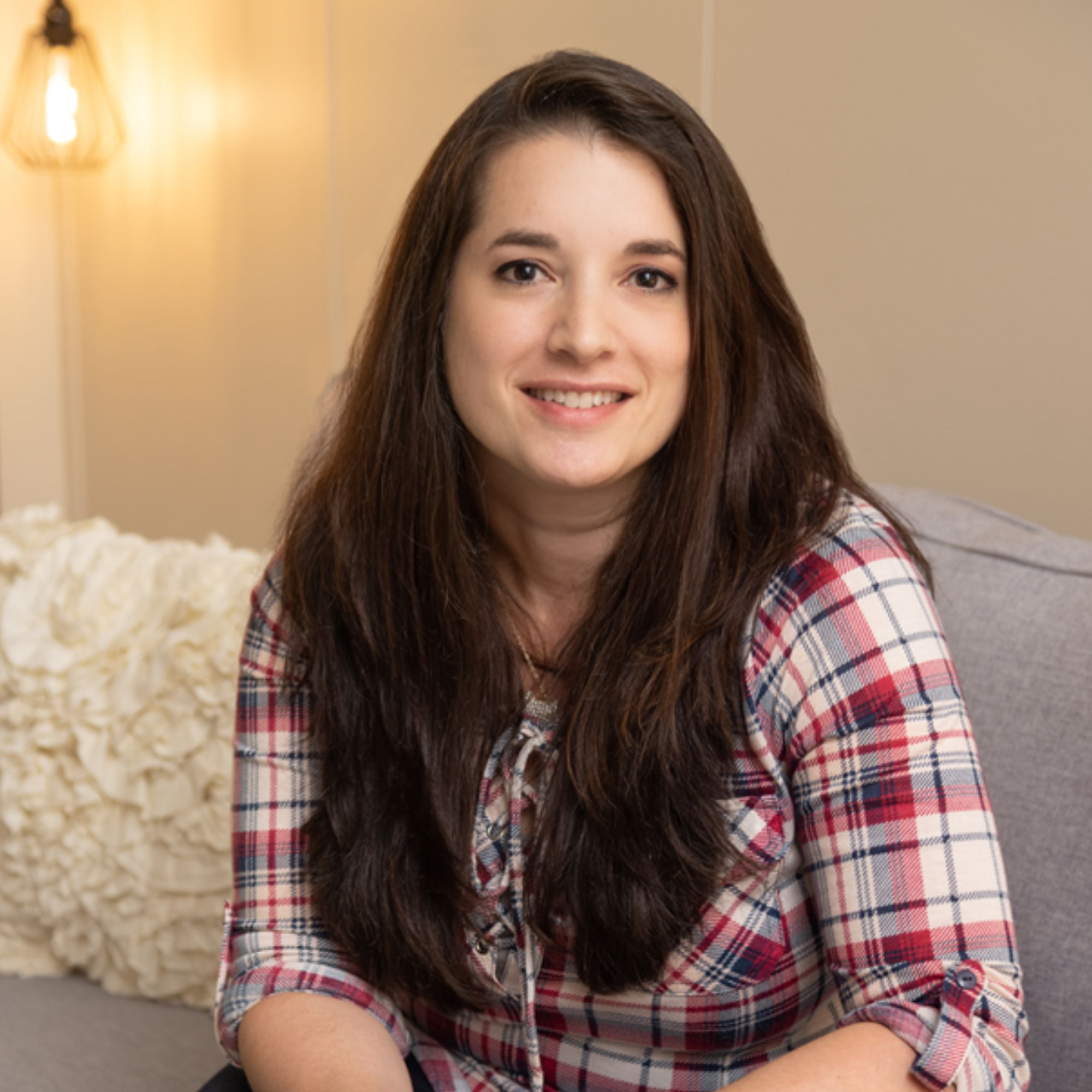
Anna Slaydon, MA, LCMHC
DIRECTOR
Anna Slaydon (she/her) is a LCMHC with Greater Hope Center. She is the Founder and Executive Director of Greater Hope Counseling Inc PC. Anna specializes in the treatment of Obsessive Compulsive Disorders (OCD) and related disorders, including Obsessive Compulsive Personality Disorder (OCPD), Body-focused repetitive behaviors, Specific Phobias, Hoarding, and Panic. She is a Certified EXRP(ERP) professional, certified by Cognitive Behavioral Institute.
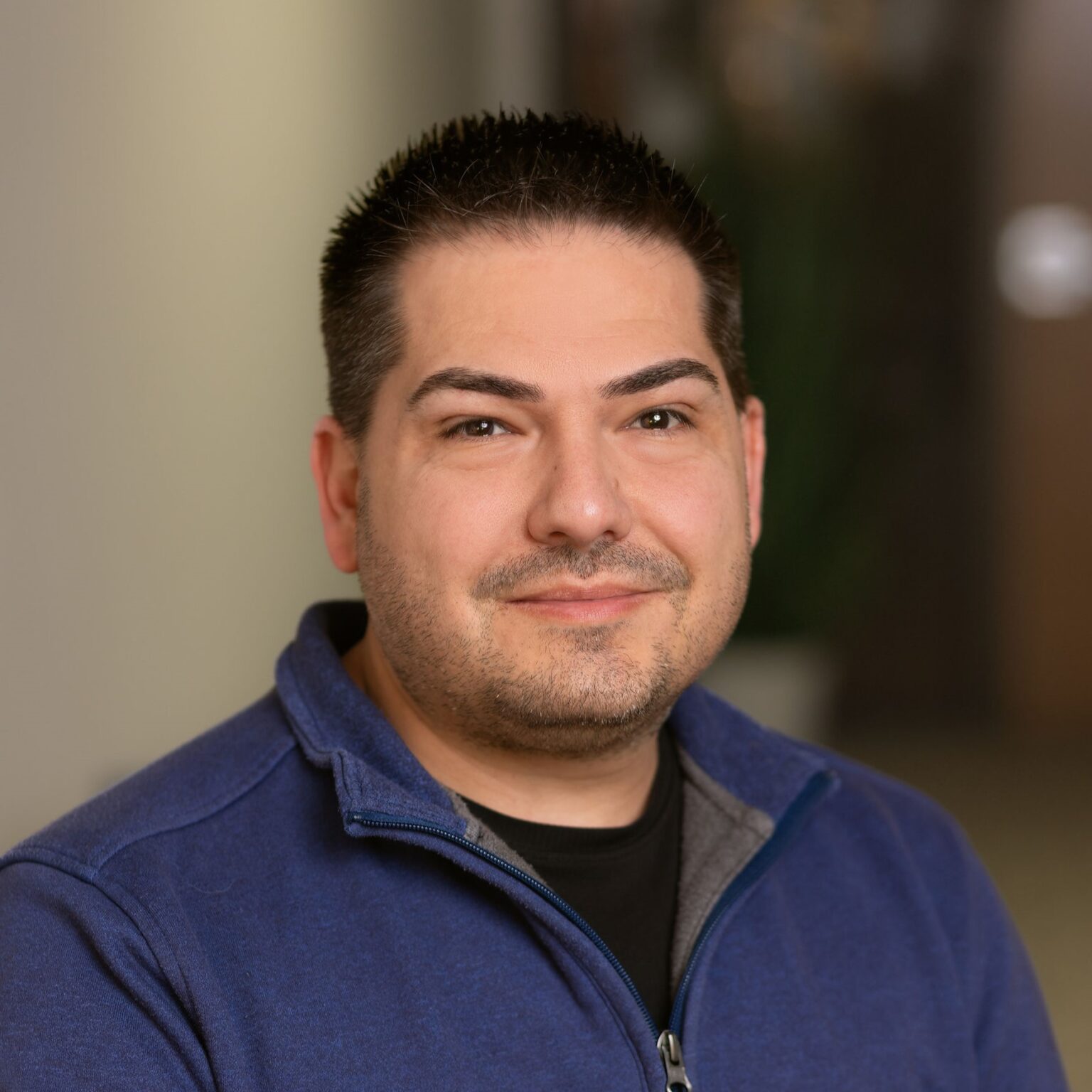
Chris Slaydon
PRESIDENT
Chris currently serves as the Director of Operations at the Greater Hope Center for OCD and is the President of the Greater Hope Foundation. After a dedicated 22-year career in Federal Law Enforcement, Chris retired from public service to support a mission close to his heart—the OCD center founded by his wife Anna. Today, he is deeply passionate about ensuring that individuals struggling with OCD receive the proper care, resources, and evidence-based treatment they deserve.
When he isn't managing daily operations or leading foundation initiatives, Chris loves spending time outdoors fishing and swimming, or sharing his love for music by singing with a local gospel quartet.
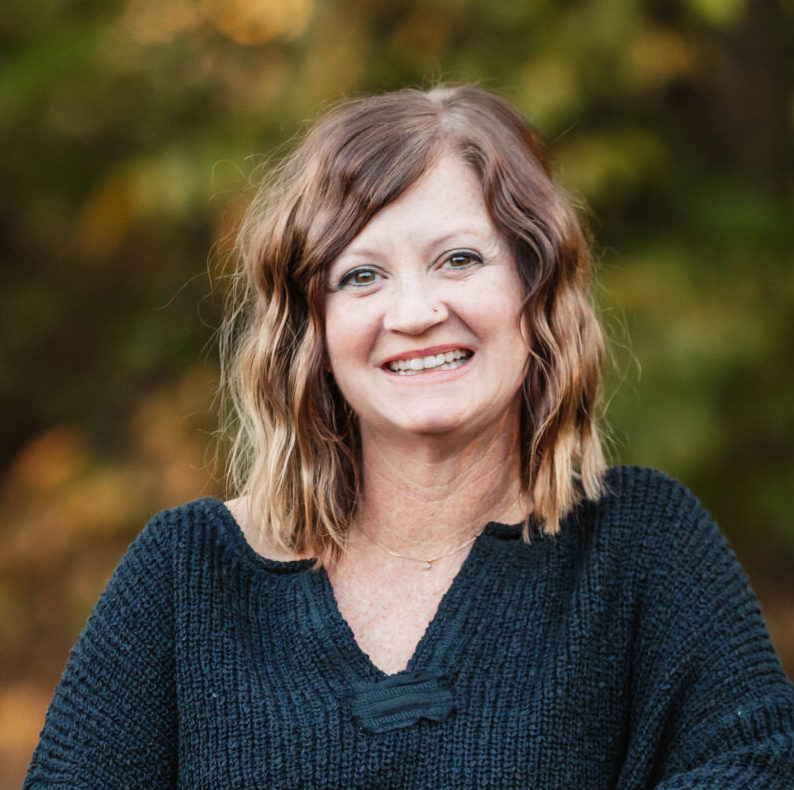
Lara Howard
VICE PRESIDENT
Speaker and author, Lara lives in central North Carolina with her husband, Cliff. Together they have 5 teen and young adult children (think, Brady Bunch). Lara holds a Bachelor's degree in Psychology from the University of North Carolina at Chapel Hill and a Master’s in Divinity with Biblical languages from Southeastern Baptist Theological Seminary.
Lara was introduced to the OCD community when her daughter was diagnosed with OCD in 2022. The challenges they faced when searching for help has fueled her desire to increase awareness of resources and spread hope to those learning to live with OCD.
Stephanie Safley
SECRETARY
Stephanie works as a high school math teacher in Rockingham County. She lives with her husband and 2 cats in Reidsville, NC. She came to know about OCD when her husband was diagnosed in 2021. She and her husband have been active participants with Community Events through Greater Hope Center for OCD.
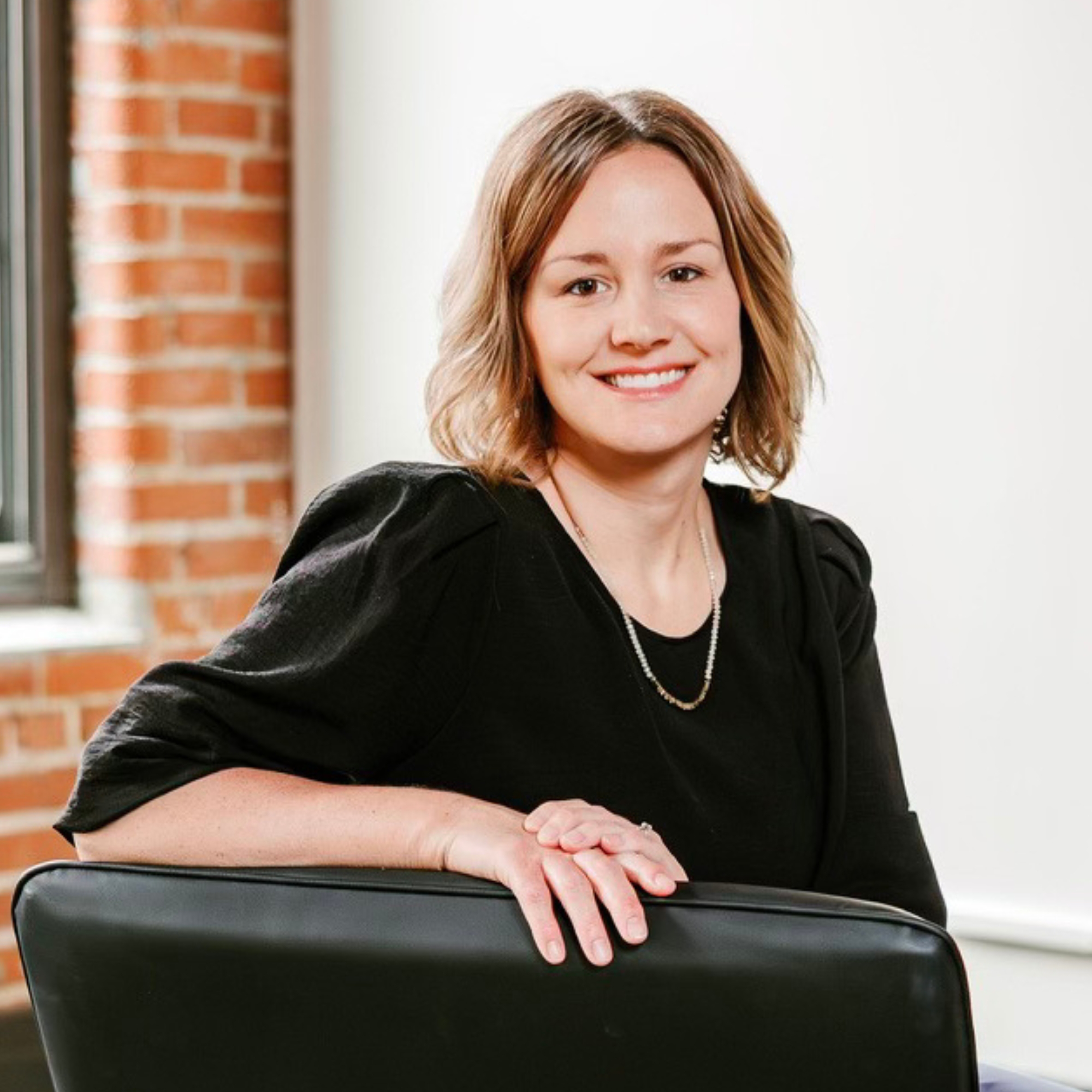
Laura Brotherton, MA, LCMHCS, RPT
BOARD MEMBER
Laura Brotherton is a Licensed Clinical Mental Health Counselor Supervisor (LCMHCS), Registered Play Therapist (RPT), and the Founder and Executive Director of Kernersville Counseling Center, PLLC, in Kernersville, North Carolina. She has dedicated her career to providing compassionate, evidence-based mental health care while advocating for greater awareness and access to specialized treatment for Obsessive-Compulsive Disorder (OCD).
Laura earned her Master of Arts in Clinical Mental Health Counseling from the University of North Carolina at Charlotte. With more than a decade of clinical experience, Laura works with children, adolescents, and adults experiencing a wide range of mental health concerns. While she treats many conditions, she has a particular passion for helping individuals with OCD regain their lives through effective, evidence-based care. She is committed to reducing stigma surrounding OCD, increasing public understanding of the disorder, and helping individuals and families find hope through education, advocacy, and treatment.
As the Founder and Executive Director of Kernersville Counseling Center, Laura is passionate about developing exceptional clinicians and expanding access to high-quality mental health services throughout North Carolina. In addition to providing direct clinical care, she supervises and mentors associate-level counselors, helping prepare the next generation of ethical and competent mental health professionals. Laura is honored to serve on the Board of Directors for the Greater Hope Foundation. Through her work with the Foundation, she is committed to advancing OCD awareness, supporting initiatives that improve access to specialized treatment, and helping ensure that individuals and families affected by OCD receive the education, resources, and hope they deserve.
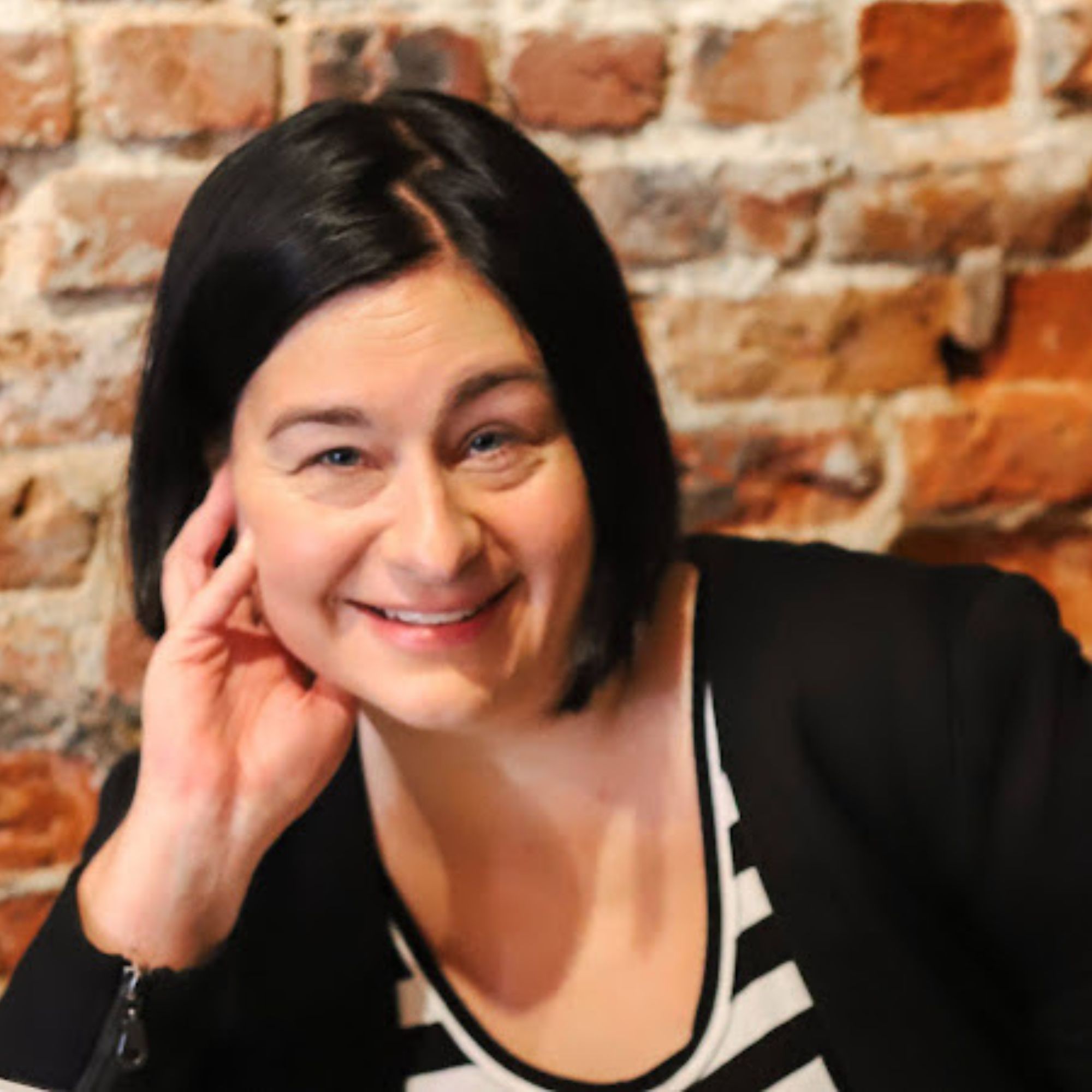
Emelia Thygesen
BOARD MEMBER
Emelia Thygesen is a Licensed Clinical Mental Health Counselor with more than 15 years of experience and a deep commitment to expanding access to evidence-based OCD care in North Carolina. She holds active licensure in North Carolina, New York, and Oregon, and currently provides therapy through both private practice and online platforms.
She understands firsthand the barriers that stand between those suffering and the specialized care they need. As a clinician serving North Carolina, she has seen the gap in access and trained providers — and she is committed to being part of the solution.
Her background in program coordination, staff training, and cross-agency collaboration equips her to contribute meaningfully to Greater Hope's mission. Emelia holds a Master of Science in Mental Health Counseling from Canisius College and volunteers her clinical skills with A Home Within. She is honored to join the work of Greater Hope OCD Foundation.